Window Safety Upgrades Every Homeowner Should Consider
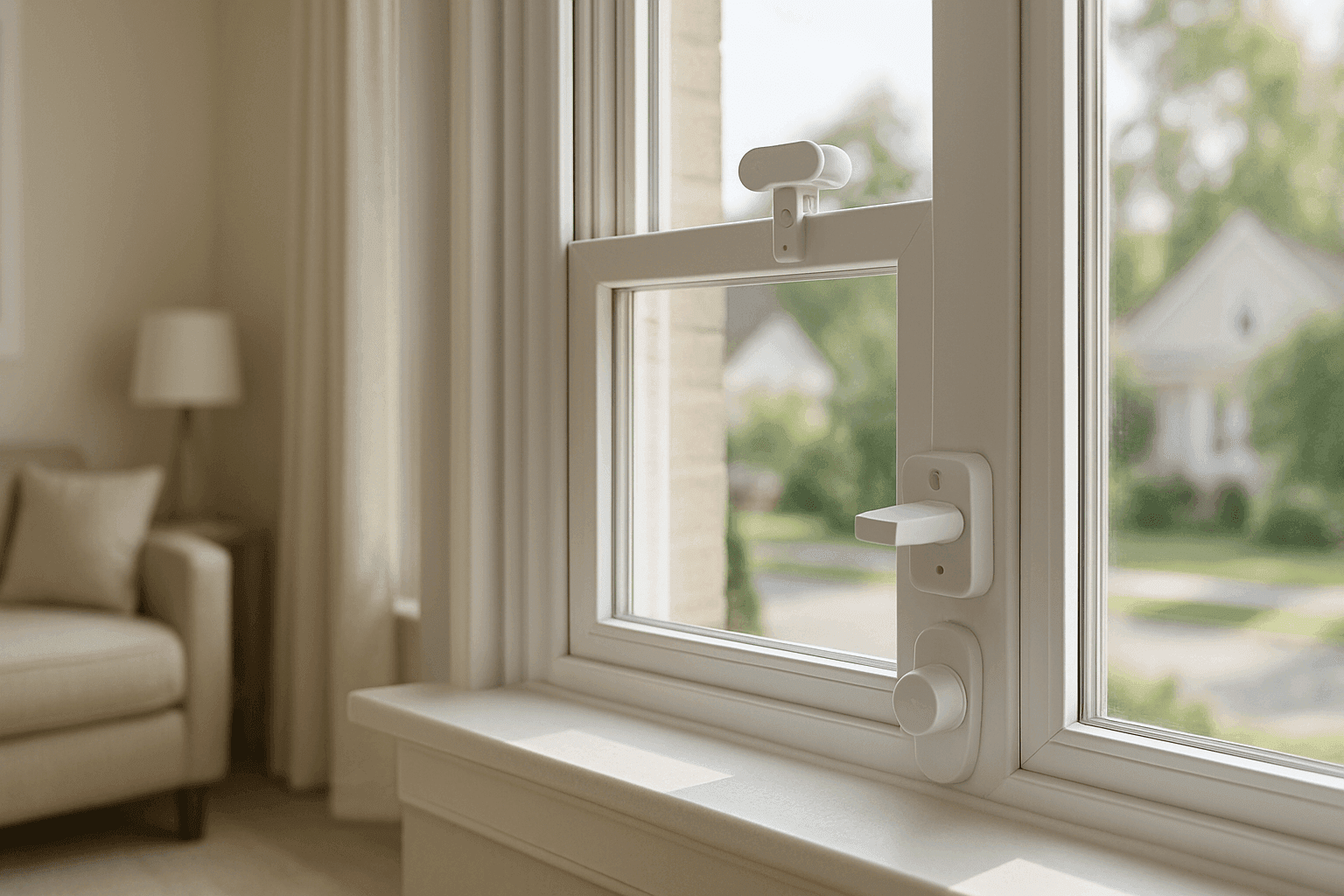
Every window tells a story. Sometimes it’s fresh air on a spring morning. Sometimes it’s a child’s laughter by the glass. But sometimes, it’s a worry—about accidents, break-ins, or what happens in an emergency.
At Vellux Windows, we understand the balance: keeping your home bright and open, while making sure everyone inside stays safe. Window safety upgrades aren’t just about hardware—they’re about peace of mind, day and night.
Why Window Safety Matters 🛡️
Windows let in light, but they can also let in trouble if overlooked. Each year, thousands of children are injured in window-related falls, according to the U.S. Consumer Product Safety Commission. Unsecured windows are among the top entry points for burglars, based on National Crime Prevention Council reports.
And in the rush of a fire or other emergency, a window may be your only exit. The stakes are real. Window safety isn’t just a checklist—it’s a shield for your loved ones.
Common Risks
- Falls: Especially for children and pets. Even a ground-level window can be dangerous.
- Break-ins: Thieves often target older, unsecured windows.
- Emergency exits: Windows blocked, stuck, or difficult to open during a crisis can turn deadly.
Not all homes face the same risks, but every home deserves the same care.
Types of Window Safety Upgrades
Window safety upgrades come in all shapes and sizes. Some are visible, like sturdy locks. Others, like safety glass or hidden restrictors, do their job quietly behind the scenes.
Here’s what you should know:
Popular Window Safety Solutions
- Window Locks: Simple, effective, and available for every window style—casement, double-hung, sliding, and more.
- Window Restrictors: Limit how far a window can open. Perfect for upper floors or wherever kids play.
- Safety Glass: Tempered or laminated glass won’t shatter into dangerous shards. Meets ASTM standards for residential safety.
- Security Films: Invisible but mighty. Applied to the inside of your window, these films help hold shattered glass together during storms or break-in attempts.
- Egress Windows: Specially designed for easy exit in emergencies. Required by code in many basement bedrooms.
- Window Alarms: Sound the alert if a window is opened or broken.
- Window Bars or Grilles: For high-risk areas, but must comply with fire safety codes for emergency egress.
Each solution has its place. The right upgrade depends on your window type, family needs, and local requirements.
How to Childproof and Secure Your Windows
Childproofing windows isn’t about locking out the world. It’s about keeping little explorers safe, without losing the breeze or the view.
Step-by-Step Childproofing Tips
-
Install Window Guards or Stops
- Attach guards that prevent windows from opening more than four inches.
- Make sure guards have quick-release mechanisms for emergencies.
-
Upgrade Locks
- Replace worn locks with sturdy ones that are easy for adults, but tough for kids.
- Consider keyed locks for added control.
-
Use Window Restrictors
- Ideal for double-hung and sliding windows.
- Allows ventilation while keeping the opening small.
-
Move Furniture Away from Windows
- Keep beds, chairs, and toy boxes away from window sills to discourage climbing.
-
Check Screens
- Remember: window screens keep out bugs, not children. Never rely on them for safety.
-
Teach Window Safety
- Talk to kids about why windows aren’t for play.
Enhancing Security Without Sacrificing Comfort
- Ventilation Locks: Allow windows to open a few inches—enough for air, not for an intruder.
- Tinted or Frosted Films: Add privacy while letting the sun in.
- Routine Inspections: Check for loose hardware, cracked glass, or sticky frames.
Emergency Access and Egress Solutions 🚨
In an emergency, every second counts. A stuck or blocked window isn’t just a hassle—it’s a hazard.
What Makes a Window "Egress-Ready"?
- Clear Opening: At least 5.7 square feet (per International Residential Code).
- Low Sill Height: Bottom of the opening less than 44 inches from the floor.
- Easy Operation: No special tools or keys required.
If your windows don’t measure up, consider:
- Egress Window Installation: Especially for basements or homes with only one main exit.
- Quick-Release Bars: Security bars that can be opened from inside without tools.
- Regular Testing: Open and close all windows monthly to ensure they operate smoothly.
Know Your Local Codes
Building codes vary. The International Residential Code (IRC) sets minimum egress standards, but your city or county may have stricter rules. Always check before making major changes—or let a licensed installer guide you.
Quick Window Safety Checklist
- Are all your window locks working?
- Do upper-story windows have guards or restrictors?
- Is safety glass installed in windows near floors, doors, or stairs?
- Are egress windows accessible and operable?
- Are window screens intact—but not relied on for safety?
- Is furniture placed safely away from windows?
- Do window treatments (cords, blinds) pose a strangulation risk for children?
- Have you tested your window alarms and quick-release bars recently?
Mark off what’s done—and make a plan for what’s not.
DIY vs. Call a Pro
Some window safety upgrades are perfect weekend projects. Others require a trained hand. Here’s how to tell:
Good for DIY
- Adding window stops or restrictors.
- Installing basic locks or alarms.
- Moving furniture, checking screens, and teaching kids about window safety.
When to Call Vellux Windows
- Installing safety glass or security films.
- Upgrading to egress windows.
- Repairing window frames or sills.
- Custom solutions for unique window shapes and sizes.
- Ensuring compliance with local building codes.
Professional installation means the job gets done right—meeting both safety standards and your family’s needs.
How Professionals Approach Window Safety
When you call Vellux Windows, here’s what to expect:
-
Assessment
- Our team inspects all windows—frames, locks, glass, and screens.
- We listen to your concerns and evaluate risks for kids, pets, and break-ins.
-
Recommendations
- We’ll suggest solutions tailored to your home. Not every window needs every upgrade.
- We explain options clearly—no pressure.
-
Installation
- Licensed, code-compliant work. Materials that meet or exceed safety standards.
- Thorough clean-up and walk-through after every job.
-
Education
- We show you how everything works before we leave.
Prevention & Maintenance
Safety isn’t a one-time fix. It’s ongoing care.
- Inspect monthly: Locks, latches, and glass.
- Clean tracks and sills: Dirt can block smooth opening.
- Test emergency exits: Make sure windows open easily.
- Re-caulk as needed: Keeps moisture and drafts at bay.
- Plan for the seasons: Check after storms or temperature swings.
Routine care today keeps worries away tomorrow.
Costs & Time Factors
Window safety upgrades come in all price ranges. Here’s what can affect the cost and timing:
- Type of Upgrade: Window stops are inexpensive; safety glass or egress windows are more of an investment.
- Number of Windows: Whole-house upgrades vs. single-room fixes.
- Window Type and Age: Older or custom windows may require extra attention.
- Professional Labor: Skilled installation ensures safety, but comes with a price.
Most basic upgrades can be done in a day. Bigger projects, like egress window installation, may take several days—especially if wall modifications are needed.
When It’s an Emergency
Broken glass. Jammed sash. Storm damage. Sometimes, you can’t wait.
Emergency window services mean quick action—boarding up, replacing glass, securing your home. If a window is a risk to safety or security, don’t wait. Call right away.
If a child has fallen or is trapped, call 911 first. Then, address the hazard so it never happens again.
Window Safety FAQ
How do I know if my windows are up to code for safety?
Check with your local building department or ask your installer to verify against the International Residential Code (IRC) and any city ordinances.
What’s better—window guards or window stops?
Both limit window openings, but guards are bars (with emergency releases), while stops are small devices that block movement. The choice depends on window style and family needs.
Are security films really effective?
Yes. When properly installed, security window films can hold glass together under impact, reducing injury and slowing intruders.
Do I need special windows for bedrooms or basements?
Yes. Bedrooms and finished basements require egress windows—large enough for easy exit in an emergency. This is both a safety requirement and a code issue.
Local and Seasonal Considerations 🏡
- Storm-prone areas: Consider impact-resistant or laminated glass.
- High-crime neighborhoods: Prioritize sturdy locks, alarms, and security films.
- Homes with small children: Window restrictors and guards are a must.
- Cold climates: Regularly check caulking and weatherstripping for drafts and leaks.
- Older homes: Vintage windows may need extra reinforcement or retrofitting.
Climate, family, and neighborhood shape your window safety needs. There’s no one-size-fits-all solution—only the right fit for your life.
Protecting your home starts with a single step—upgrading your windows for safety, security, and peace of mind. Questions? Advice? Or ready to schedule a professional inspection?
Call Vellux Windows now — or reach us anytime at 888-488-8143 .