How to Choose the Right Windows for Energy Efficiency and Comfort
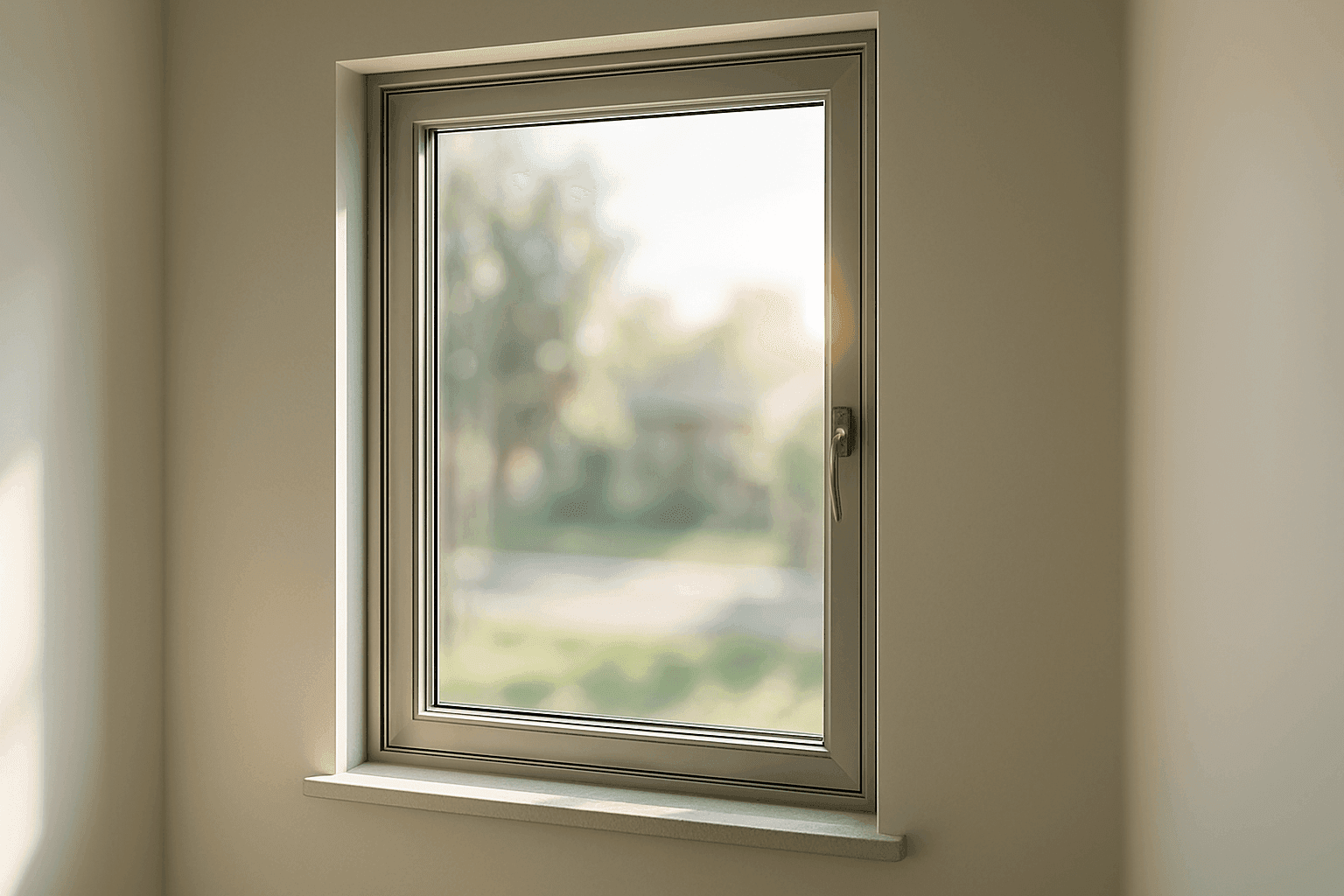
How much do your windows matter? More than most people realize. The right windows can slash your energy bills, cut down on noise, and bring year-round comfort. But choosing the best ones? That can feel like standing in a maze with no map.
At Vellux Windows, we’ve seen it all: drafty bedrooms, sun-baked living rooms, and windows that rattle in the wind. If you’re planning a new window installation or thinking about window replacement, understanding what matters most can turn your home into a cozy, efficient retreat.
Understanding Window Energy Ratings
Ever notice those labels on new windows? They’re not just stickers—they’re cheat sheets. Here’s what you’ll see, and why it matters:
- U-Factor: Think of this as a window’s “insulation score.” The lower the number, the better it keeps heat where you want it—inside in winter, outside in summer.
- Solar Heat Gain Coefficient (SHGC): This measures how much sun heat gets in. Lower numbers mean less heat sneaks through—a big deal if your home bakes in afternoon sunlight.
- ENERGY STAR Certification: This blue label means your window meets tough government standards for efficiency. It’s a shortcut for finding windows that save energy (and money!).
These ratings are set by trusted organizations like the National Fenestration Rating Council (NFRC) and ENERGY STAR. When you see these, you’re looking at products that have passed real-world tests—not just marketing claims.
Popular Energy-Efficient Window Types 🪟
Not every window is built the same. Your choice depends on your home, climate, and how you use each room.
Double-Hung Windows: Classic, easy to clean, and great for airflow. If you want a blend of tradition and efficiency, these are workhorses.
Casement Windows: Hinged on the side, they swing out like a door. When closed, they press tight against the frame, which helps seal out drafts.
Sliding Windows: Perfect for wide views and smooth operation. They’re simple, but make sure the seals are top-notch.
Awning and Hopper Windows: These open outward or inward, making them good for basements or bathrooms, where ventilation and privacy matter.
Picture Windows: Big, fixed panes that don’t open. They’re all about views and letting in sunlight—if you choose energy-efficient glass, you get light without the heat.
Specialty Options: Jalousie windows for ventilation, bow and bay windows for curb appeal, and skylights for natural light. Each has energy-efficient models, especially when paired with proper window caulking and sealing near you.
Features to Look For (Glass, Frames, Coatings)
The secret sauce isn’t just in the size or style—it’s what’s inside and around the glass.
Glass Options:
- Double-Pane and Triple-Pane: Two or three layers of glass with a pocket of air (or gas) in between. This gap acts like a thermal blanket.
- Low-E Coatings: Think of this as invisible sunscreen. It lets in light but reflects heat and UV rays, keeping your home cooler in summer and warmer in winter.
- Gas Fills: Argon and krypton gases fill the spaces between panes. They’re denser than air, so they block heat and cold even better.
Frame Materials:
- Vinyl: Affordable and low maintenance. Good insulation value, but can warp in extreme heat.
- Wood: Timeless look, strong insulator, but needs regular upkeep.
- Composite: Mixes wood fibers with plastic for strength, durability, and efficiency.
- Aluminum: Strong but less insulating; best used with a thermal break to block heat flow.
Hardware & Seals:
Strong locks, tight weatherstripping, and sturdy frames are essential for both safety and efficiency. Poor seals are like leaving a window cracked open all year.
Comparing Double-Pane vs. Triple-Pane
Here’s where many homeowners get stuck. Is three really better than two? Sometimes, but not always.
Double-Pane:
- Standard for most homes.
- Good balance of cost, comfort, and efficiency.
- Works well in moderate climates.
Triple-Pane:
- Adds a third layer of glass and gas, boosting insulation.
- Great for extreme climates—cold winters, noisy streets, or high-efficiency goals.
- Often costs more, and can be heavier (which may affect window hardware needs).
Cost vs. Benefit:
Triple-pane windows cost more upfront, but if you live somewhere with harsh winters or lots of street noise, the extra layer can pay off over time. For milder climates, double-pane often delivers the best bang for your buck.
Real-World Scenarios for Homeowners
- Sunny Rooms: If your living room bakes in the afternoon, look for windows with a low SHGC and low-e coatings.
- Busy Streets: Triple-pane or laminated glass helps block out sound, making bedrooms peaceful.
- Storm-Prone Areas: Impact-resistant glass and sturdy frames help protect your home. Storm window installation or window frame repair near you can add another layer of safety.
- Older Homes: Custom window solutions, weatherstripping, and window caulking and sealing can bring old windows up to modern standards without sacrificing charm.
Tips for Choosing the Right Windows
- Check labels for U-factor and SHGC. Lower is usually better for both.
- Match the window style to your climate and your home’s needs.
- Don’t overlook the frame—composite and vinyl are low-maintenance and energy-smart.
- For the best value, focus on upgrades with proven benefits, like low-e coatings and gas fills.
- Ask about local building codes and safety guidelines. The International Residential Code (IRC) sets standards for egress windows and safety glass in certain locations.
Durability and Maintenance
Energy-efficient windows are an investment, not a quick fix. Quality hardware, proper window installation, and regular window inspections keep them working like new. Consider window maintenance plans for peace of mind—clean tracks, check caulking, and inspect weatherstripping every year.
FAQ
Q: Will new windows really lower my energy bills?
A: Yes—especially if you replace single-pane or drafty windows. According to the U.S. Department of Energy, efficient windows can cut energy loss by up to 30%.
Q: How do I know if my windows need replacing or just repair?
A: Look for foggy glass, drafts, hard-to-open sashes, or rotting frames. Sometimes, window hardware replacement or window caulking and sealing near you can solve the problem. If you see widespread rot, broken glass, or high energy bills, replacement is often the better choice.
Q: Are energy-efficient windows worth the extra cost?
A: For most homes, yes. The savings on heating and cooling add up over time, and comfort improves right away.
Q: What’s the best time of year for window installation?
A: Spring and fall are ideal—mild weather makes installation smoother. But with emergency window services, urgent repairs can happen anytime.
Local and Seasonal Considerations 🌦️
- Cold Climates: Prioritize low U-factor, triple-pane, and composite frames.
- Hot, Sunny Regions: Focus on low SHGC, UV-blocking coatings, and tight seals.
- Storm Zones: Impact-resistant and storm window installation increase resilience.
- High Humidity: Look for materials and coatings that resist mold and condensation.
No two homes—or homeowners—are exactly alike. The best windows for your neighbor might not be the best for you. Take stock of your needs, and don’t hesitate to ask for professional advice on window installation or window replacement near you.
Ready to make your home more comfortable, efficient, and secure?
Call Vellux Windows now — or reach us anytime at 888-488-8143 .