Window Replacement Cost Guide: What Homeowners Need to Know
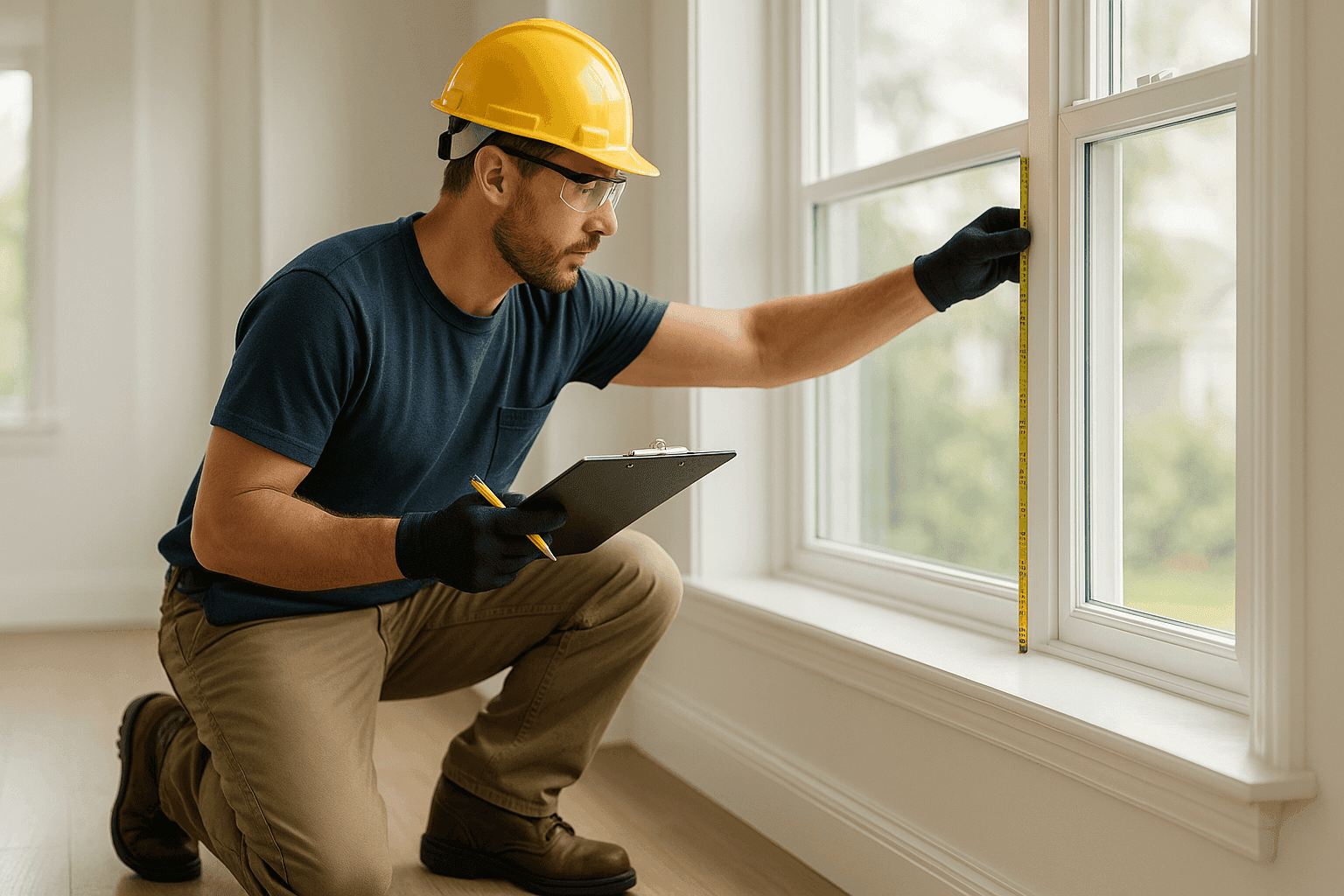
Replacing your windows is a big decision. It’s not just about letting in more light or giving your house a facelift. It’s about safety, comfort, and making a smart investment in your home. At Vellux Windows, we know it can be tricky to figure out what replacement windows should really cost. We're here to guide you, so you can make informed choices—without getting lost in the weeds.
Whether you're dealing with chilly drafts, old rattling panes, or an unexpected crack after a storm, knowing the real drivers of window replacement costs can save you from sticker shock. Let’s break it down, step by step.
Factors That Affect Window Replacement Cost 🏡
Window replacement costs can feel like a moving target. Why? Because no two homes—or windows—are the same. Here’s what tends to shape your final bill:
- Labor: Skilled installation is essential. The complexity of removing old windows and fitting new ones can raise or lower the price. Second-story windows or hard-to-reach places? Expect higher labor costs.
- Materials: The frame material matters. Vinyl is usually the budget pick, while wood or fiberglass can cost more. Aluminum frames are a middle ground.
- Window Type and Size: A small hopper window in a basement is different from a massive bay window in a living room. Bigger or custom shapes increase the price.
- Glass Features: Double-pane, triple-pane, tinted, or Low-E glass? Each feature adds benefits—and costs.
- Removal and Disposal: Hauling away old frames and glass isn’t free. Some companies include this, others don’t.
- Location and Accessibility: If your window is behind a garden bed or above a porch roof, installation gets tricky.
- Code and Safety Upgrades: Egress windows, locks, or tempered glass for bathrooms (per International Residential Code) may be required.
Think of your window project like assembling a recipe: each ingredient—frame, glass, labor—changes the flavor (and cost) of the finished dish.
Types of Windows and Price Ranges
Not all windows wear the same price tag. Here’s how the most popular choices stack up:
- Double-Hung Windows: The classic up-and-down sash design. Mid-range in cost, always in style.
- Casement Windows: Hinged on the side and crank open. Great for airflow, but installation is more involved.
- Bay and Bow Windows: These add space and a view but require structural changes. They’re the splurge option.
- Sliding Windows: Simple to use and often budget-friendly.
- Custom Windows: Unique shapes or sizes? Custom means extra for design, materials, and labor.
- Skylights and Awning Windows: Bring in light where you need it—but expect to pay for professional sealing and installation.
- Jalousie and Hopper Windows: Perfect for basements or utility spaces; generally less expensive.
- Storm and Security Windows: Added layers for protection cost more but boost safety.
The bottom line: Most single replacement windows (standard size, double-pane) fall between $300 and $1,200 each—installed. Bay or bow windows, or major custom projects, can range from $2,000 to $6,000 or more per unit, depending on the structure. Labor can be 25–50% of the total.
Energy Efficiency and Potential Savings 💡
Modern windows are about more than just looks. Energy-efficient upgrades make a difference you can feel—and measure in your utility bills.
- Double or Triple Pane: These insulate much better than single-pane. According to ENERGY STAR, replacing old windows with efficient models can save you up to $465 per year on energy costs.
- Low-E Glass: Special coatings reflect heat, keeping your home cooler in summer and warmer in winter.
- Argon or Krypton Gas Fills: These invisible gases between panes act like a thermal blanket.
- Tinting and Films: Reduce glare and block UV rays, protecting your furnishings from fading.
Yes, the upfront cost is higher. But over time, these upgrades pay you back—month after month. Plus, some local and federal incentives may be available for upgrades that meet energy standards (check programs from the Department of Energy).
Budgeting Tips for Homeowners
Window replacement is an investment—but you don’t have to break the bank. Here’s how to keep it manageable:
- Prioritize: Start with windows that are broken, drafty, or high-impact (like bedrooms or living rooms).
- Get Multiple Estimates: Ask for itemized quotes to understand where your money is going.
- Plan for Seasonal Needs: Spring and fall are busy seasons for installers. Off-peak scheduling may save money.
- Consider Maintenance: Regular caulking, sealing, and cleaning extends the life of your windows (and saves you from bigger bills later).
- Emergency Preparedness: Storms or break-ins can’t wait. Emergency window services cost more but restore security fast.
- Financing and Rebates: Look for manufacturer rebates and check with your bank about home improvement loans.
Set aside a little extra—unexpected issues like water damage or hidden rot can add costs. Think of it as a cushion, not an overage.
When Is Window Replacement an Emergency?
Sometimes, you can’t wait. If you have a shattered window after a storm, a security breach, or a failed lock, call for emergency window services right away. Fast action keeps your home safe and prevents further damage from weather or pests. Vellux Windows offers rapid response for situations like these.
Frequently Asked Questions
How long does window replacement take?
Most standard windows are replaced in just a few hours. Larger or custom jobs may take a day or two. Weather and site conditions can affect timing.
Will new windows really save me money?
Yes—especially if you’re replacing old, single-pane windows. Energy-efficient models keep your home comfortable and can lower energy bills, according to the U.S. Department of Energy.
Can I just replace the glass, not the whole window?
Sometimes. If the frame is sound, glass replacement is an option. But damaged or rotted frames call for full replacement.
Is it worth upgrading window hardware or locks?
Absolutely. New locks and hardware improve security and can keep your windows working smoothly for years.
Local and Seasonal Considerations 🌦️
While Vellux Windows serves homeowners everywhere, weather and timing always play a role in window projects. Cold snaps, summer storms, and pollen season can all influence installation schedules. In areas prone to hurricanes or blizzards, storm window installation is worth considering for peace of mind.
Keep in mind: Window Caulking and Sealing near you is best handled in mild weather for optimal results. Scheduling ahead can help you avoid delays during busy seasons.
Big or small, your window project deserves careful planning and expert attention. If you’re ready to take the next step—or just have a few questions—
Call Vellux Windows now — or reach us anytime at 888-488-8143 .