A Homeowner’s Guide to Emergency Window Repairs After Storms or Break-Ins
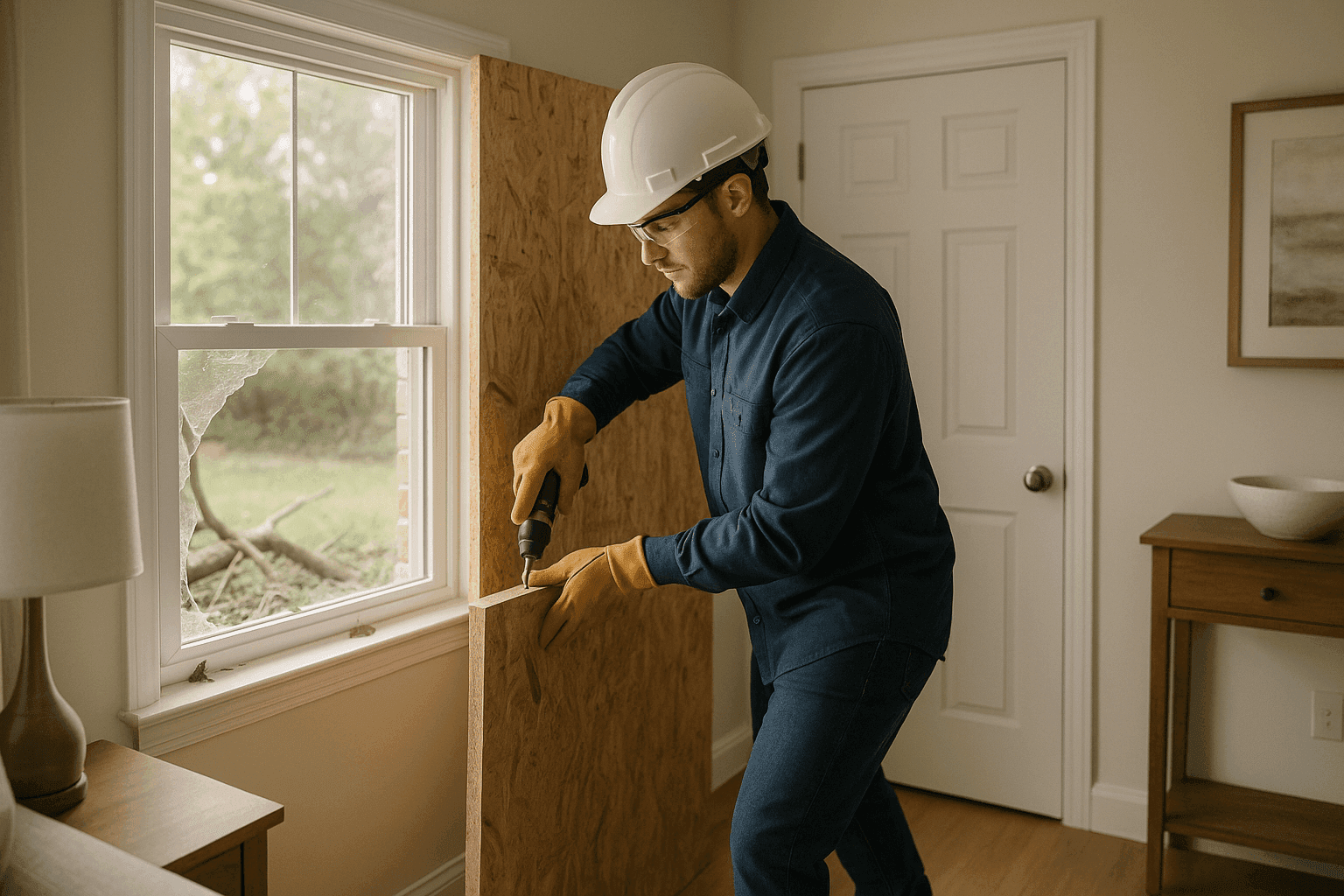
Bad weather barrels in. A stray branch snaps. Or maybe you return home after a trip and see shattered glass where your window used to be. For homeowners, few things feel as urgent—or as overwhelming—as emergency window damage.
At Vellux Windows, we’ve seen it all: the quick summer squall that blows in a screen, the late-night break-in, even the occasional baseball gone rogue. Knowing what to do in those first critical moments can keep your home safe, secure, and protected until help arrives.
Types of Emergency Window Damage 🌩️
Windows are the eyes of your home, but sometimes they take a hit. Knowing what you’re up against helps you react wisely.
- Storm Damage: High winds, hail, flying debris, or heavy rain can crack, shatter, or dislodge panes and frames.
- Break-Ins: Forced entry often leaves smashed glass, bent frames, or broken locks.
- Accidental Breakage: Kids at play, a wayward ball, or simple household mishaps can leave you with a mess.
- Extreme Temperatures: Sudden shifts can stress older glass or worn seals, causing cracks or gaps.
- Aging or Failing Windows: Sometimes, it’s not an event—it’s just time. Old caulking crumbles, hardware fails, or seals give way.
Each situation calls for calm, quick action. But always prioritize safety above all.
Immediate Safety and Security Steps
Broken windows can turn your living room into a safety hazard zone. Take these steps right away:
- Keep Kids & Pets Away: Glass can scatter further than you think.
- Wear Shoes & Gloves: Even small shards can hide in carpet or crevices.
- Turn Off HVAC Nearby: This prevents glass from traveling through air vents and avoids drafts that might worsen damage.
- Clear the Area: Remove valuables or furniture from the danger zone.
- Check for Structural Damage: If the frame looks unstable, don’t touch it—wait for professionals.
- Document the Damage: Snap photos from different angles for your insurance provider.
- Secure the Scene: If you suspect a break-in, call your local police before moving anything. They’ll need to assess the scene.
Temporary Repair Solutions
Sometimes, you just need to buy time until window pros can arrive. Think of these solutions like a raincoat for your home—temporary, but vital.
- Board Up Large Openings: Cut plywood to fit the frame, then screw it into the window jambs. If you’re not comfortable with power tools, heavy-duty cardboard can work for very short periods.
- Plastic Sheeting or Heavy-Duty Trash Bags: Tape these tightly around the frame to block wind and rain. Use duct tape for a strong seal.
- Sweep Up Carefully: Use a broom and dustpan for large pieces; vacuum with a hose attachment for smaller shards. Never use your bare hands.
- Cover Sharp Edges: Rolled towels, duct tape, or foam pool noodles can provide a little extra protection from jagged glass or metal.
- Weatherproof with What You Have: Towels, blankets, or even a shower curtain can help block drafts and rain.
Remember, these fixes are just a stopgap. They won’t keep out determined intruders or extreme weather for long.
When to Call for Professional Help 🛠️
Some scenarios are simply too risky for DIY. If you spot any of these, reach out to a certified window technician immediately:
- The frame is warped, cracked, or unstable.
- There’s extensive glass breakage (especially double-pane, bow, bay, or picture windows).
- Water is pouring in—or the window is at risk of blowing out in another storm.
- The damage involves skylights, high windows, or anything above the first floor.
- Locks or latches are broken, and you can’t secure the home.
- You’re unsure how to safely board up or seal the window.
- You need written documentation for insurance or police reports.
A reputable window company like Vellux Windows brings more than just tools. We follow recommendations from the International Window Association and local building codes to ensure repairs are safe, durable, and up to the latest standards.
How to Document Damage for Insurance
Insurance adjusters are like detectives—they need clear evidence to process your claim. Here’s what helps:
- Take multiple photos: inside, outside, close-up, and wide shots.
- Note the date, time, and details of the incident (storm, break-in, etc.).
- Save any receipts for emergency materials (plywood, tape, plastic).
- Keep a written record of your actions (who you called, what you did, etc.).
- If police are involved, get a copy of their report or the case number.
This paperwork can smooth the process and get repairs started faster.
DIY Repairs vs. Calling a Pro
It’s tempting to grab a hammer and fix things yourself, but windows are more complex than they look. Here’s a quick comparison:
DIY May Be Enough When:
- The damage is minor (small crack, loose screen, easy-to-reach window).
- You’re comfortable with basic tools and safety gear.
- You just need a temporary patch in calm weather.
Call the Pros If:
- The window is large, heavy, or on the second story or higher.
- The damage involves the frame or sash.
- You see signs of water, mold, or electrical risk near the window.
- You want to restore full energy efficiency and security.
Remember: windows are a barrier against more than just the elements. Don’t risk injury or further damage.
What Professionals Do On Arrival
A trained window technician from Vellux Windows will:
- Assess the full extent of the damage, including hidden issues.
- Secure the area and remove any remaining hazards.
- Board up or seal the window using industry-standard materials.
- Advise on the best long-term repair or replacement options (e.g., double-hung, casement, hopper, or custom solutions).
- Provide documentation for insurance.
- Check for code requirements and recommend upgrades, such as safety glass or improved locks.
We also offer emergency window services, including prompt caulking and sealing near you, to restore your home’s comfort and safety.
Prevention and Maintenance
An ounce of prevention is worth a pound of emergency repairs. Here’s how to make your windows storm—and break-in—resistant:
- Schedule regular window inspections, especially before storm season.
- Add window safety upgrades like security film or reinforced locks.
- Keep trees and branches trimmed away from glass.
- Update window caulking and sealing to block leaks.
- Replace worn-out hardware or weatherstripping.
- Consider energy-efficient or impact-resistant windows for high-risk areas.
The National Fenestration Rating Council and FEMA both recommend regular window maintenance for both safety and energy savings.
Costs & Time Factors
Emergency window repairs can feel like a moving target—so many variables! Costs depend on:
- Window size and style (bow, bay, casement, skylight, etc.)
- Extent of damage (glass only vs. full frame)
- Materials needed (plywood, specialty glass, hardware)
- Accessibility (ground floor vs. multi-story)
- Time of day (after-hours or holiday emergencies may cost more)
Temporary fixes can often be completed in under an hour, but full repairs or replacements may take a day or more, depending on part availability.
When It’s an Emergency
Not all window damage is urgent, but some scenarios demand immediate action:
- The opening allows easy access for intruders.
- Water is entering and threatening furniture, floors, or wiring.
- The window is in a child’s bedroom or a critical escape route.
- There’s risk of glass falling or breaking further.
If you’re unsure, err on the side of caution. A boarded-up window is better than a vulnerable one.
Frequently Asked Questions (FAQ)
Q: How do I know if my window can be repaired or needs replacement?
A: If just the glass is damaged and the frame is sound, repair is often possible. Warped, rotting, or broken frames usually call for replacement.
Q: Can I use duct tape to fix a broken window?
A: Duct tape can seal cracks or hold plastic sheeting as a very short-term fix, but it won’t restore security or insulation.
Q: What if my window breaks during a holiday or storm?
A: Many window companies, including Vellux Windows, offer emergency services year-round. Don’t wait—secure the area and call for help.
Q: Will insurance cover emergency window repairs?
A: Most homeowners’ policies cover storm and break-in damage, but check your individual policy and document everything thoroughly.
Local and Seasonal Considerations ❄️
Storm season brings wind, hail, and rain—prime time for window damage. Holidays, when homes may be left empty, can increase the risk of break-ins. In winter, quick repairs are especially important to keep out cold air and moisture.
If you live in an area prone to hurricanes, blizzards, or high winds, talk to your window pro about upgrades like storm windows or impact-resistant glass. Even a simple maintenance plan can help avoid the worst surprises.
When windows break, every minute counts. Don’t risk your safety or your home’s protection. Call Vellux Windows now — or reach us anytime at 888-488-8143 .